 Verified
Beautiful piece, fast delivery
Use the exact wording of a real review with the customer's permission.


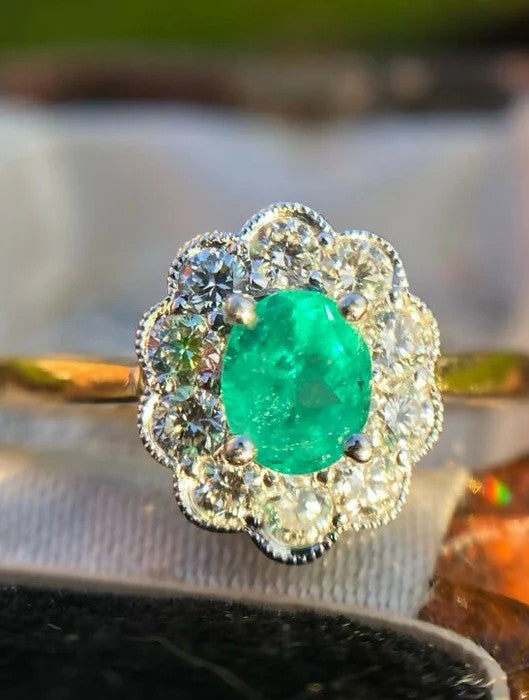
An antique engagement ring answers the hardest brief in jewellery: something beautiful, meaningful and genuinely unlike anyone else's. It has already proved it can last a lifetime — usually several — and it carries a story your own will join. Here is how to choose one well.
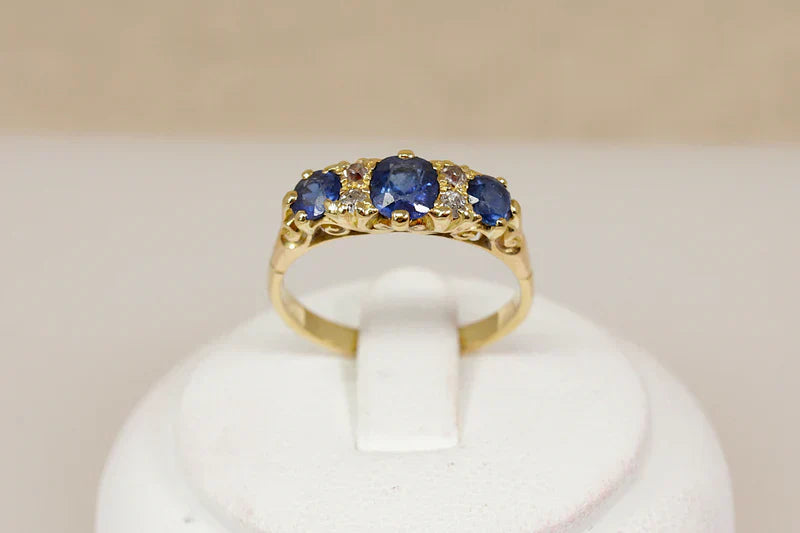
Victorian (1837–1901): warm gold, romantic motifs — clusters, five-stone bands, gypsy-set stars. The most robust antique choice for everyday wear. Edwardian (1901–1915): platinum lace, millegrain, old European cuts — the most romantic and the most delicate. Art Deco (1920–1939): geometry, contrast and calibré colour — the most requested era of all. Each has a full guide in our learning hub.
Old mine and old European cuts were cut by hand and by eye for candlelight, with high crowns, small tables and open culets. They face up slightly smaller than modern brilliants of the same weight but return light in soft, broad flashes — a fireplace rather than an LED. Certificates are rare for set antique stones; a written description from a knowledgeable dealer, and your own eyes at the zoom button, are the practical tools. Don't chase modern grading standards: an old cut with visible character in the right setting beats a clinical stone in the wrong one.
Sapphires (durable, deep and Deco-perfect), rubies and emeralds all appear in antique engagement rings, alongside opals and pearls. Two practical cautions: emeralds, opals and pearls are softer and suit gentler lifestyles or occasional wear; and old foil-backed or closed-set stones must never go near water. If a ring will be worn daily through gym, garden and washing-up, say so — a good dealer will steer you to settings that can take it.
Browse the rings currently in the collection — each lists its era, centre stone and size. If the one you loved has sold, use the enquiry button on its page: sourcing a similar ring is what we do best.
Excellent
Rated 4.9 out of 5

Verified
Use the exact wording of a real review with the customer's permission.
Verified
Use the exact wording of a real review with the customer's permission.
Verified
Use the exact wording of a real review with the customer's permission.
Verified
Use the exact wording of a real review with the customer's permission.
Sign up to be the first to see the latest new pieces before anyone else and get exclusive offers! By signing up, you agree with our privacy policy.
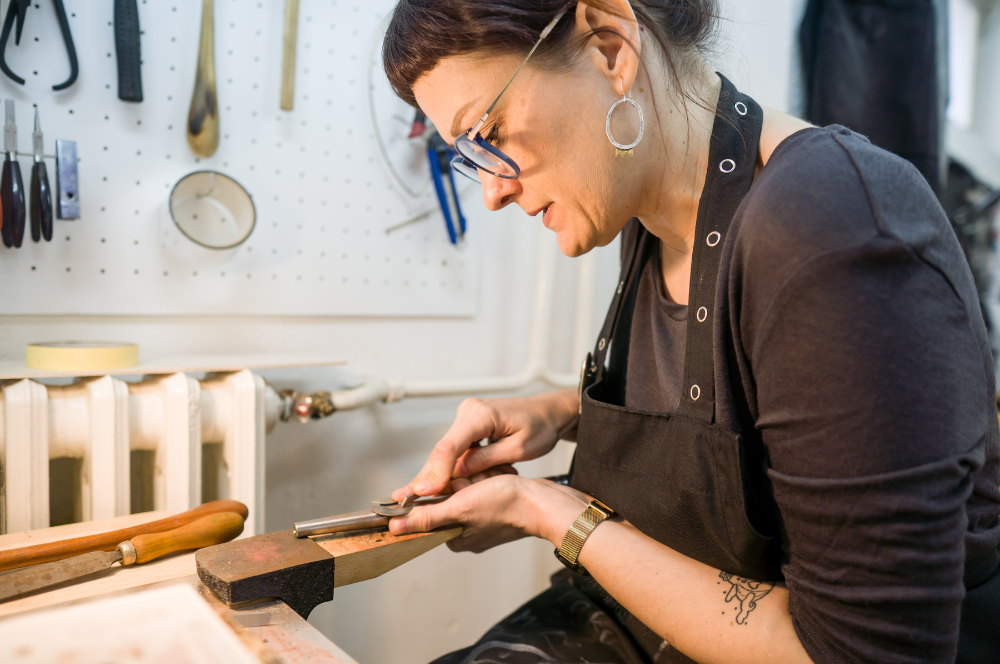
The Story Behind the Stones
Shelley Antiques is a home for antique jewellery lovers everywhere, built on over 18 years of experience in the trade. We aim to educate and inspire the next generation to appreciate the beauty and history behind antique jewellery, championing accessibility, sustainability, and education every step of the way.
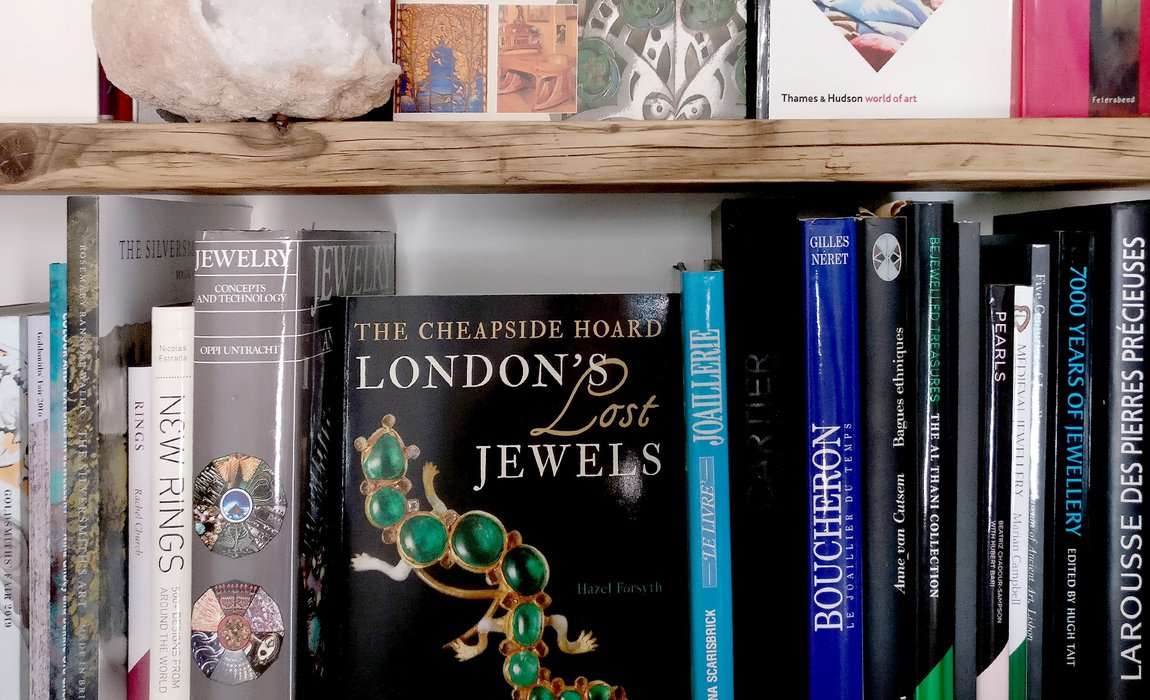
Learn About Antique Jewellery
Antique jewellery holds centuries of stories, craft, and meaning; the more you look, the more there is to discover. That's exactly why we've put together a growing library of articles for you to explore.
Maybe you're drawn to a particular period in history. Maybe you want to understand what makes a certain gemstone so prized, or the science behind its sparkle. Either way, consider this your starting point: Shelley Antiques, where curiosity about antique jewellery turns into real expertise.