 Verified
Beautiful piece, fast delivery
Use the exact wording of a real review with the customer's permission.


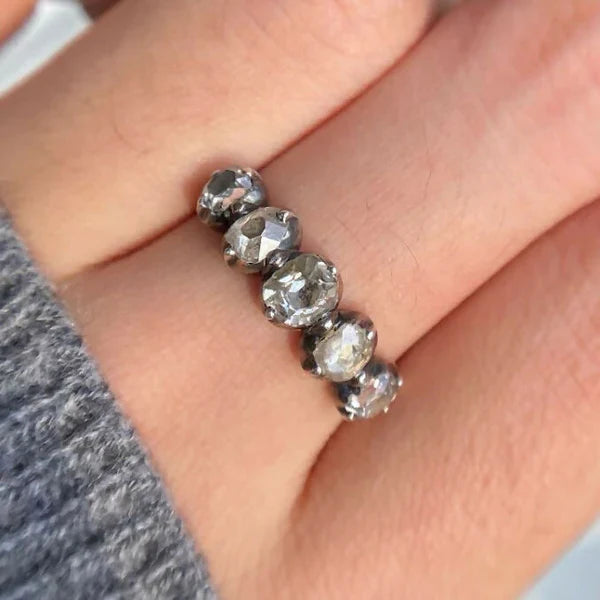
Antique jewellery has already survived longer than most things people own. Keep it thriving with a little knowledge and almost no effort — here is the complete routine, from daily habits to what never to do.
Diamonds, sapphires, rubies (open-backed settings): a short soak in warm water with a drop of washing-up liquid, the gentlest work with a baby-soft brush around the setting, rinse, and dry with a lint-free cloth. Emeralds: wipe with a barely damp cloth only — no soaking, no brushes; most emeralds are traditionally oiled and detergents strip them. Opals, pearls, turquoise, coral: soft dry or barely damp cloth, nothing else; never detergent. Foiled or closed-back stones: dry soft cloth only, ever. Gold: a jeweller's polishing cloth restores glow — but polish lightly and rarely; patina is part of the piece's value and charm. Silver: silver cloth, avoiding any gilt details.
Rings take the hardest life. Twice a year, hold each ring to your ear and tap it gently — a rattle means a stone is loosening and wants a jeweller's attention before it wants a search of the carpet. Check claws with a fingernail for movement, and watch engagement-ring shanks for thinning. Chains: check clasps and jump rings occasionally, and don't sleep in pendants. Brooches: test the pin's spring and always use the safety catch.
Loose stones, bent claws, thinning shanks, broken enamel or a repair involving heat all belong with a jeweller experienced in antique work — ask directly, because modern workshop habits (ultrasonics, aggressive re-polishing) can do real harm. A competent check-up every couple of years costs little and prevents nearly everything.
Keep your purchase description and photographs somewhere safe, and consider adding valuable pieces to your home insurance or a specialist policy. If you'd like an updated valuation for insurance at any point, ask us and we'll point you in the right direction.
Cared for like this, there is no reason your piece won't outlive us all — which is rather the point of antique jewellery. When you're ready to add to the collection it belongs to, we'll be here.
Excellent
Rated 4.9 out of 5

Verified
Use the exact wording of a real review with the customer's permission.
Verified
Use the exact wording of a real review with the customer's permission.
Verified
Use the exact wording of a real review with the customer's permission.
Verified
Use the exact wording of a real review with the customer's permission.
Sign up to be the first to see the latest new pieces before anyone else and get exclusive offers! By signing up, you agree with our privacy policy.
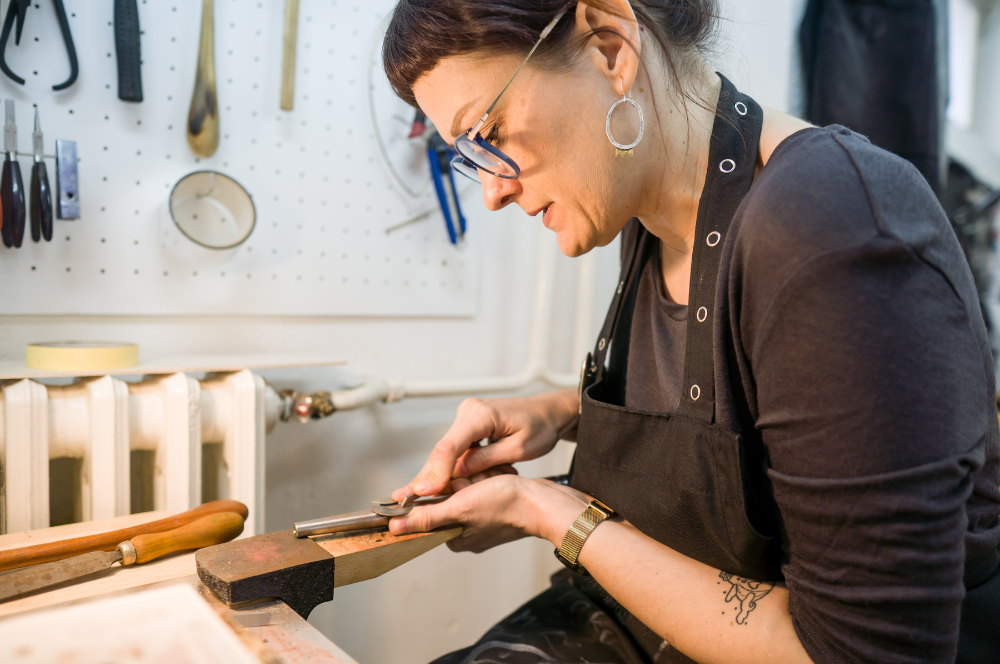
The Story Behind the Stones
Shelley Antiques is a home for antique jewellery lovers everywhere, built on over 18 years of experience in the trade. We aim to educate and inspire the next generation to appreciate the beauty and history behind antique jewellery, championing accessibility, sustainability, and education every step of the way.
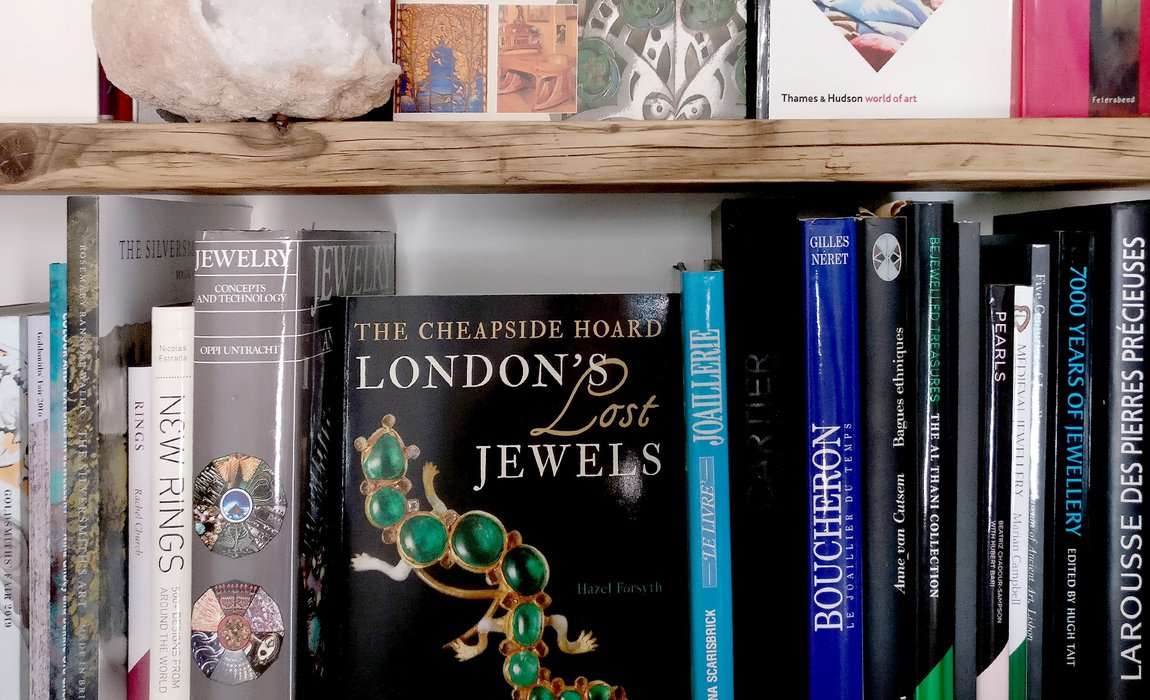
Learn About Antique Jewellery
Antique jewellery holds centuries of stories, craft, and meaning; the more you look, the more there is to discover. That's exactly why we've put together a growing library of articles for you to explore.
Maybe you're drawn to a particular period in history. Maybe you want to understand what makes a certain gemstone so prized, or the science behind its sparkle. Either way, consider this your starting point: Shelley Antiques, where curiosity about antique jewellery turns into real expertise.