 Verified
Beautiful piece, fast delivery
Use the exact wording of a real review with the customer's permission.


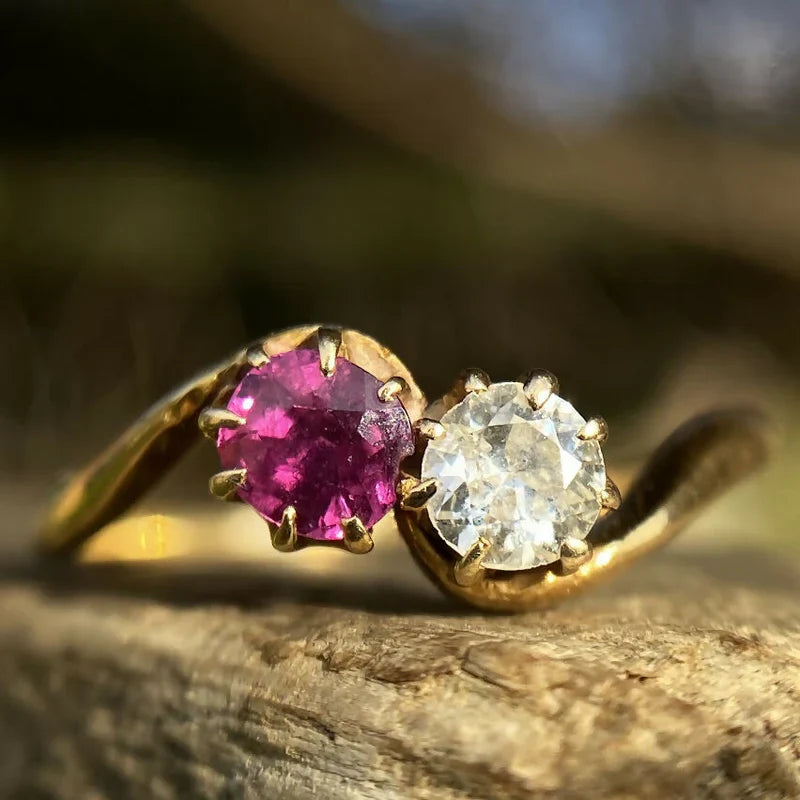
Art Deco (roughly 1920–1939) is the most instantly recognisable style in jewellery history: geometry, symmetry and contrast, worn with a cocktail in hand. A century later it remains the most requested era in our collection — and the one most often imitated, which makes knowing the real thing essential.
The style took its name from the 1925 Paris Exposition des Arts Décoratifs. After the war, everything changed at once: women cut their hair and their hemlines, jazz arrived, and design threw out the garlands of the Edwardian age in favour of the machine age — skyscraper steps, sunbursts, Egyptian motifs after Tutankhamun's tomb was opened in 1922, and the clean lines of Cubism.
Because the look never fell from fashion, reproductions abound. Genuine pieces show hand-finished detail under magnification: individually cut calibré stones (repros substitute uniform machine-cut stones or coloured enamel), fine millegrain, hand-pierced galleries, and honest wear. White gold marked 18ct with a British date letter from the 1920s–30s is a good sign; laser-crisp casting marks are not. When in doubt, ask the dealer exactly how they've dated the piece — a good one will tell you gladly.
Deco rings — especially target clusters and geometric solitaires — are the most sought-after antique engagement rings of all, and fine examples appreciate accordingly. Earrings and bracelets offer better value for the quality. Condition to check: calibré borders with replaced or missing stones, and thin shanks from decades of wear. Browse the collection — Deco pieces are usually the first to go, so the archive is worth a look to calibrate your eye.
Excellent
Rated 4.9 out of 5

Verified
Use the exact wording of a real review with the customer's permission.
Verified
Use the exact wording of a real review with the customer's permission.
Verified
Use the exact wording of a real review with the customer's permission.
Verified
Use the exact wording of a real review with the customer's permission.
Sign up to be the first to see the latest new pieces before anyone else and get exclusive offers! By signing up, you agree with our privacy policy.
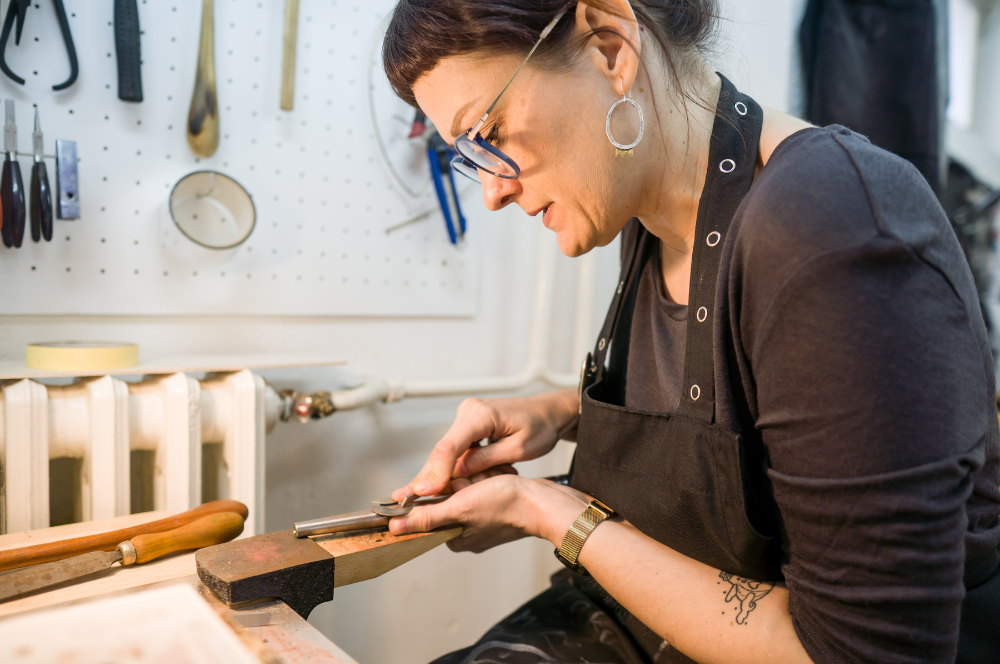
The Story Behind the Stones
Shelley Antiques is a home for antique jewellery lovers everywhere, built on over 18 years of experience in the trade. We aim to educate and inspire the next generation to appreciate the beauty and history behind antique jewellery, championing accessibility, sustainability, and education every step of the way.
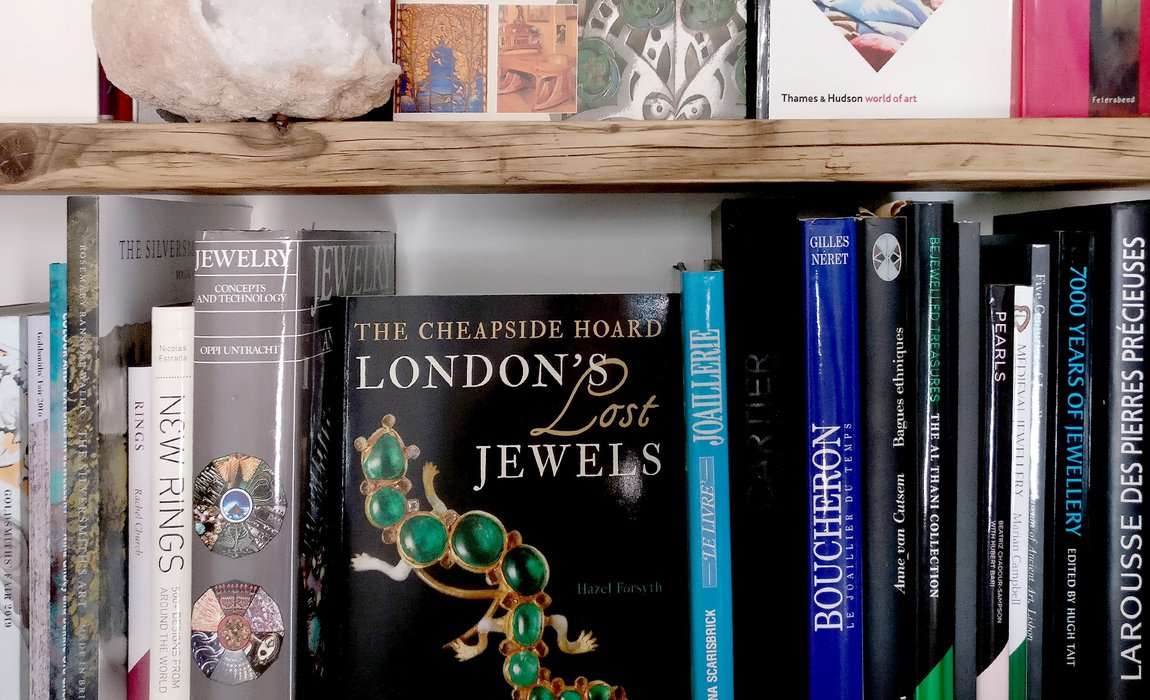
Learn About Antique Jewellery
Antique jewellery holds centuries of stories, craft, and meaning; the more you look, the more there is to discover. That's exactly why we've put together a growing library of articles for you to explore.
Maybe you're drawn to a particular period in history. Maybe you want to understand what makes a certain gemstone so prized, or the science behind its sparkle. Either way, consider this your starting point: Shelley Antiques, where curiosity about antique jewellery turns into real expertise.