 Verified
Beautiful piece, fast delivery
Use the exact wording of a real review with the customer's permission.


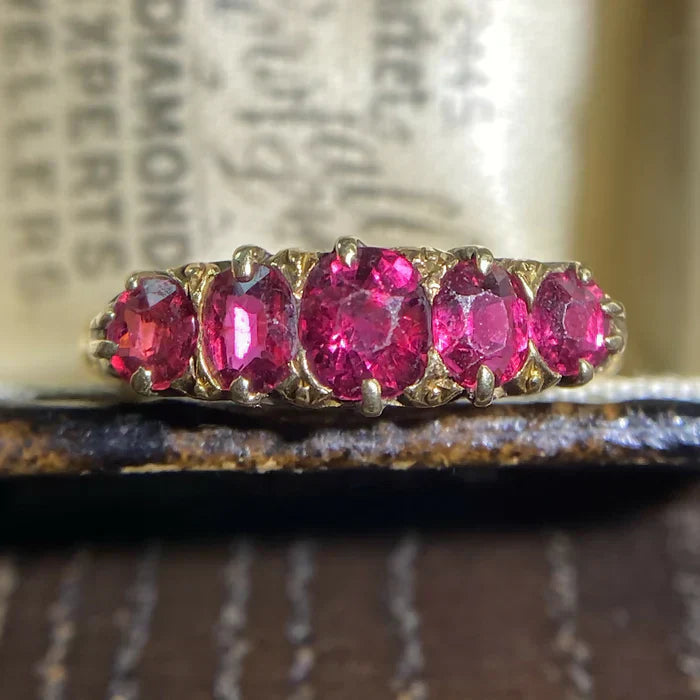
The Edwardian era (1901–1915) produced the lightest, whitest, most refined jewellery ever made. For barely fifteen years — Edward VII's reign and the few years before the First World War — jewellers worked platinum into garlands, bows and lace so fine it seems to float on the skin. Then the war ended it, and nothing quite like it was made again.
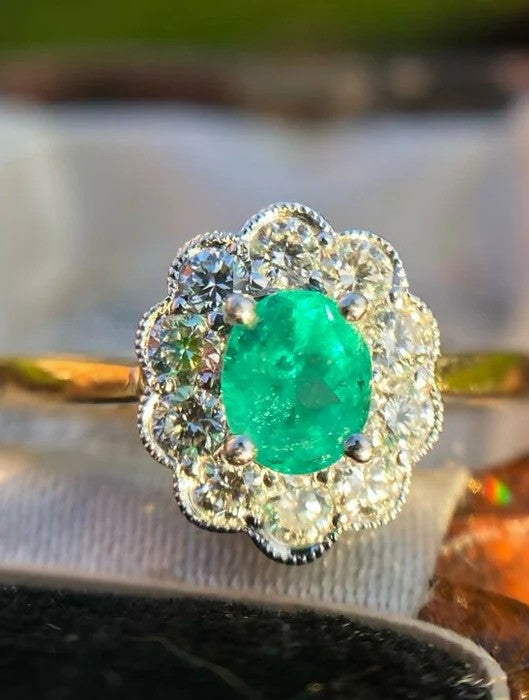
The defining technology of the era was the jeweller's ability to work platinum — a metal so strong that settings could shrink to almost nothing. Diamonds no longer needed heavy gold claws; they could hang in near-invisible knife-edge mounts and millegrained borders (that fine beaded edge you can feel with a fingernail). The result: jewellery described at the time as "lace made of stone".
Both are white, platinum-heavy styles, and transitional pieces exist. The rule of thumb: Edwardian curves, Deco angles. If the design flows — bows, garlands, circles — think Edwardian; if it steps and stacks in straight lines and strong symmetry, think Art Deco. Edwardian diamonds are usually old European cuts; Deco introduces baguettes and calibré-cut coloured borders.
Fineness is the era's glory and its weak point. Examine openwork for old breaks and repairs, check knife-edge settings are straight, and make sure tiny millegrained claws still hold their stones firmly. Natural pearls should be checked for drilling damage. None of this should put you off — a century-old survivor in good condition is precisely the proof of quality you want.
Because the era was short and the work so delicate, fine Edwardian pieces are genuinely scarce — especially rings that haven't been altered. They remain among the most romantic engagement choices of all: light on the hand, dazzling in low light, impossible to reproduce economically today. See what's in the collection, and if the right piece isn't there, ask — Edwardian is worth waiting for.
Excellent
Rated 4.9 out of 5

Verified
Use the exact wording of a real review with the customer's permission.
Verified
Use the exact wording of a real review with the customer's permission.
Verified
Use the exact wording of a real review with the customer's permission.
Verified
Use the exact wording of a real review with the customer's permission.
Sign up to be the first to see the latest new pieces before anyone else and get exclusive offers! By signing up, you agree with our privacy policy.
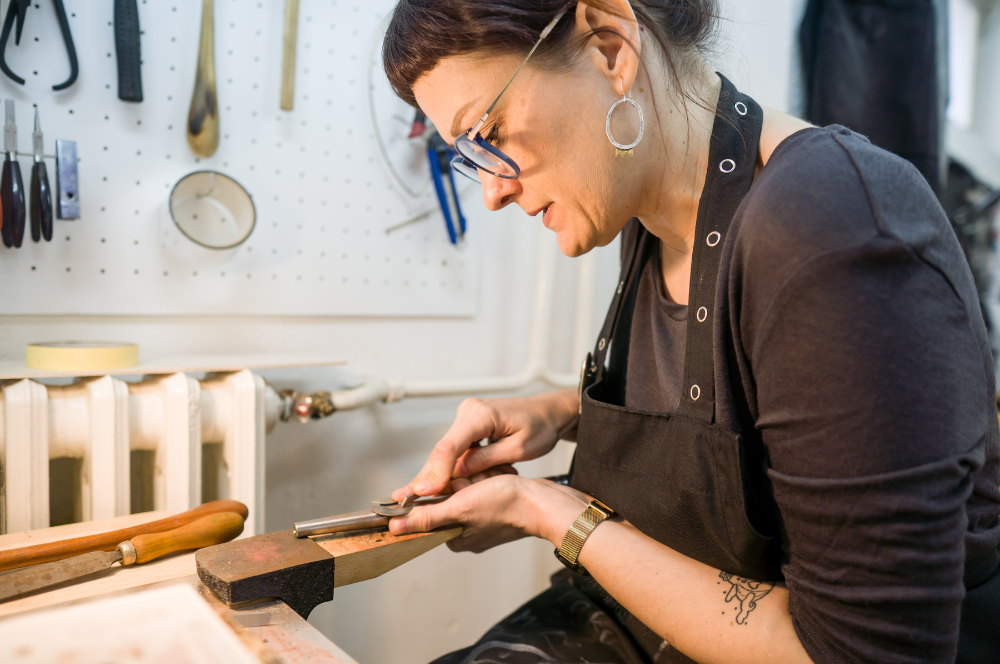
The Story Behind the Stones
Shelley Antiques is a home for antique jewellery lovers everywhere, built on over 18 years of experience in the trade. We aim to educate and inspire the next generation to appreciate the beauty and history behind antique jewellery, championing accessibility, sustainability, and education every step of the way.
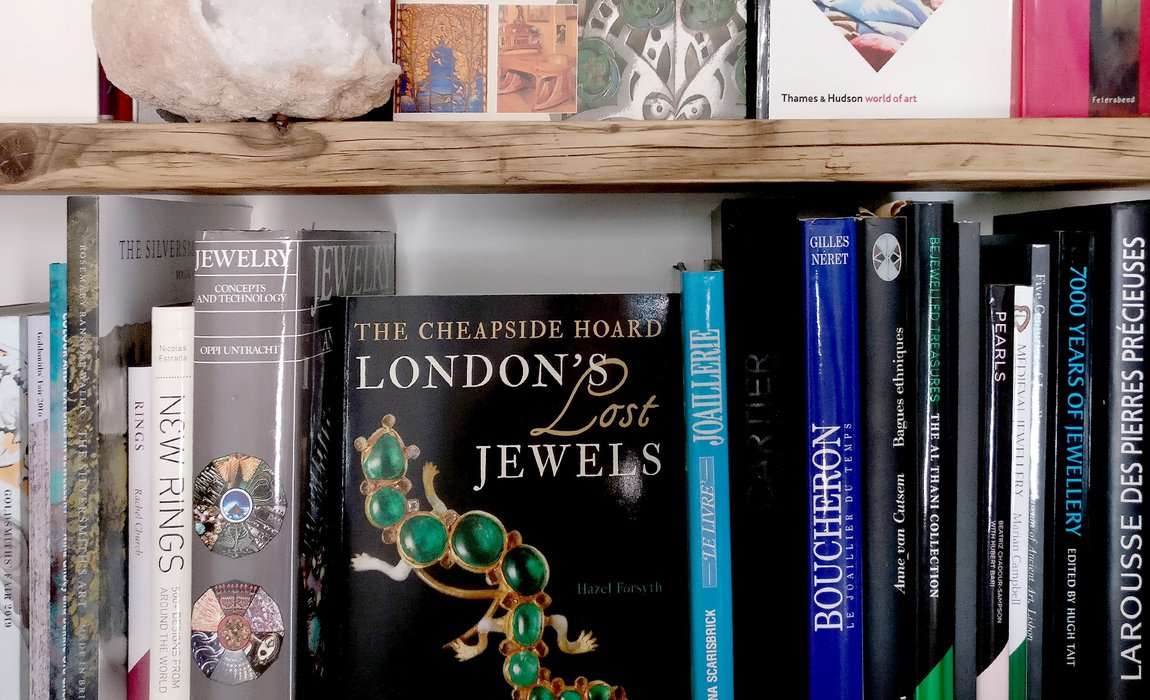
Learn About Antique Jewellery
Antique jewellery holds centuries of stories, craft, and meaning; the more you look, the more there is to discover. That's exactly why we've put together a growing library of articles for you to explore.
Maybe you're drawn to a particular period in history. Maybe you want to understand what makes a certain gemstone so prized, or the science behind its sparkle. Either way, consider this your starting point: Shelley Antiques, where curiosity about antique jewellery turns into real expertise.