 Verified
Beautiful piece, fast delivery
Use the exact wording of a real review with the customer's permission.


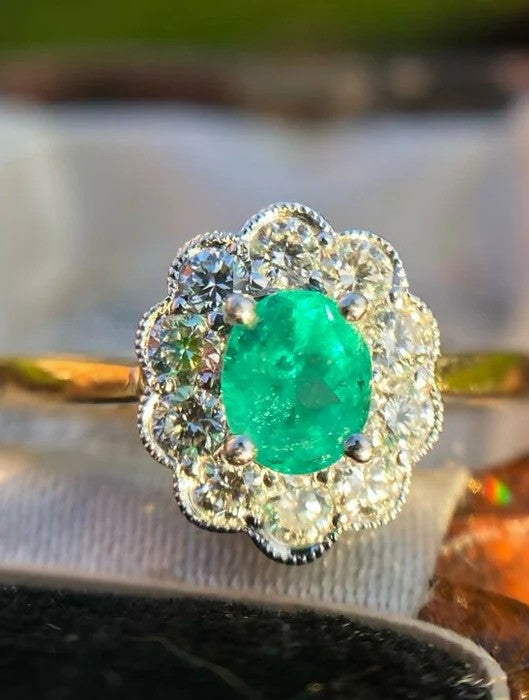
Victoria reigned for sixty-four years (1837–1901), and jewellery changed with her — through young love, deep mourning and a gilded final flourish. That long arc is why "Victorian" covers everything from turquoise-set snakes to jet mourning brooches to diamond crescent moons, and why collectors usually divide the era into three periods.
The young queen's engagement ring was a snake — an emblem of eternal love — and the fashion followed. Expect sentiment everywhere: serpents with gem-set heads, hearts, buckles, clasped hands (fede rings), and flowers used as a code — forget-me-nots for true love, ivy for fidelity. Turquoise, garnet, amethyst and seed pearls in warm yellow gold define the look. Lockets and pieces with hidden compartments for a curl of hair are quintessentially early Victorian.
After Prince Albert's death in 1861, the court went into mourning and jewellery followed: Whitby jet, black onyx, French jet (black glass) and sombre memorial pieces. But the same decades brought archaeological-revival gold inspired by Etruscan and Egyptian finds, bold cameos, and — after the South African diamond discoveries of the late 1860s — far more diamonds than Britain had ever seen.
The mood lightens. Jewellery becomes smaller, more playful and more wearable: crescent moons, stars, swallows, daisies and hearts, set with old-cut diamonds, sapphires, rubies and opals. Silver enjoyed a huge vogue. Many of the most wearable antique rings on the market today — gypsy-set bands, five-stone half hoops, cluster rings — are late Victorian.
The era's sheer output means Victorian jewellery offers the best entry point into antiques: plentiful enough to find, old enough to enchant. Gypsy rings and star-set pieces are perennially loved; snake rings and quality mourning pieces climb steadily. Browse the current collection — Victorian pieces pass through more than any other era — and see our engagement ring guide if a Victorian ring might be the one.
Excellent
Rated 4.9 out of 5

Verified
Use the exact wording of a real review with the customer's permission.
Verified
Use the exact wording of a real review with the customer's permission.
Verified
Use the exact wording of a real review with the customer's permission.
Verified
Use the exact wording of a real review with the customer's permission.
Sign up to be the first to see the latest new pieces before anyone else and get exclusive offers! By signing up, you agree with our privacy policy.
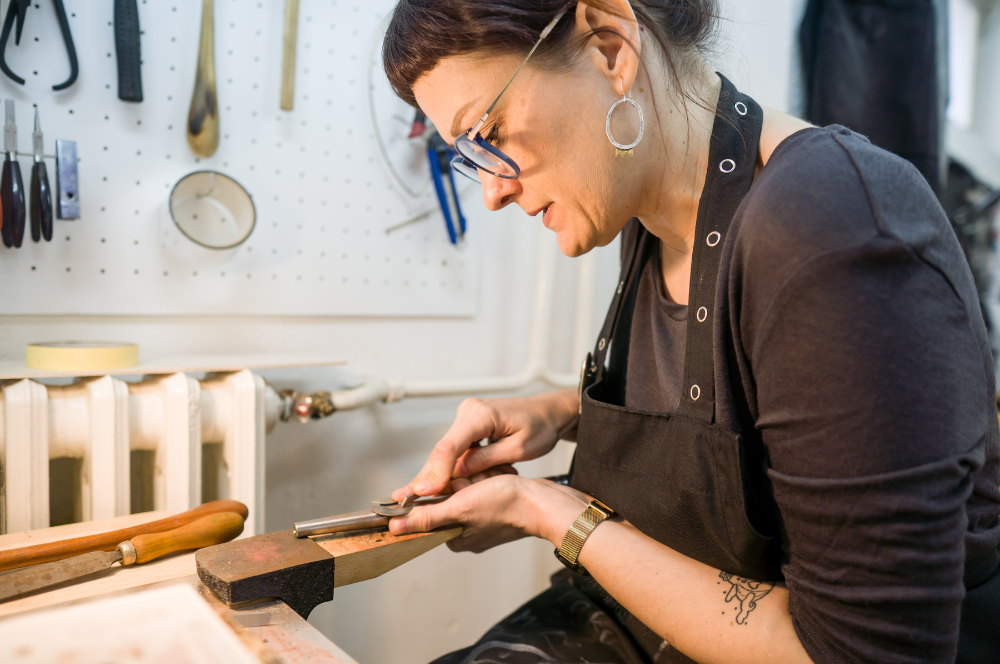
The Story Behind the Stones
Shelley Antiques is a home for antique jewellery lovers everywhere, built on over 18 years of experience in the trade. We aim to educate and inspire the next generation to appreciate the beauty and history behind antique jewellery, championing accessibility, sustainability, and education every step of the way.
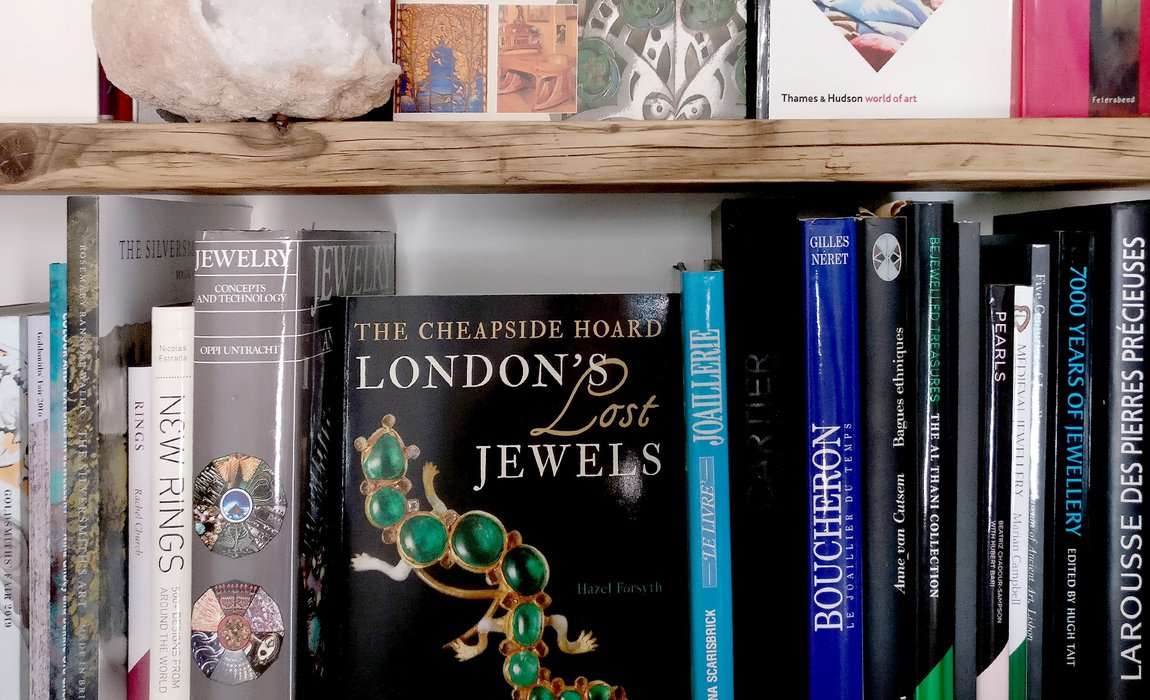
Learn About Antique Jewellery
Antique jewellery holds centuries of stories, craft, and meaning; the more you look, the more there is to discover. That's exactly why we've put together a growing library of articles for you to explore.
Maybe you're drawn to a particular period in history. Maybe you want to understand what makes a certain gemstone so prized, or the science behind its sparkle. Either way, consider this your starting point: Shelley Antiques, where curiosity about antique jewellery turns into real expertise.