 Verified
Beautiful piece, fast delivery
Use the exact wording of a real review with the customer's permission.


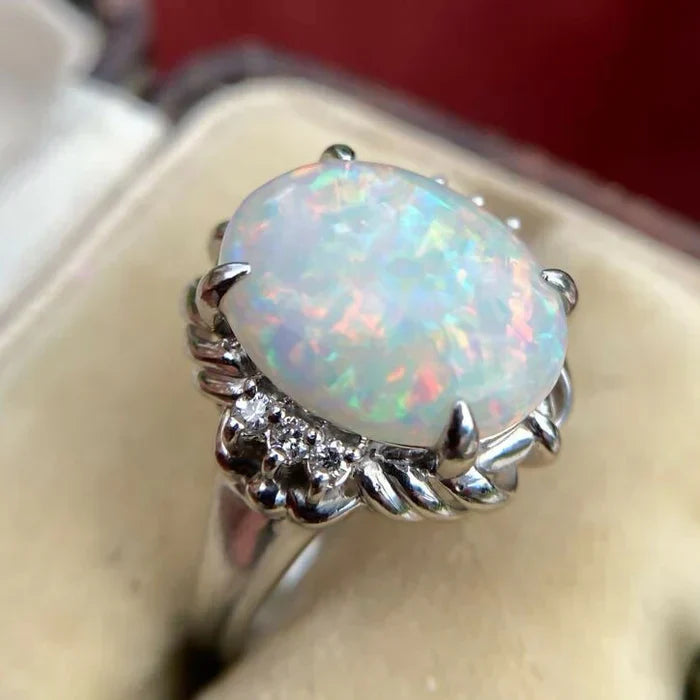
Georgian jewellery is the oldest most collectors will ever handle — made between 1714 and 1837, under the four King Georges, entirely by hand, before electricity, before photography, before the modern brilliant cut. Surviving pieces are rare, romantic and unlike anything made since.
Every Georgian jewel was made for candlelight. Rooms glowed rather than blazed, and jewellery evolved to match: diamonds were set over metal foil in closed-back settings to throw back every scrap of light, and stones were cut with big, soft facets — the rose cut and the old mine cut — that shimmer rather than sparkle. Gold was hand-worked, typically high-carat and warm in colour, and silver was often used over gold for setting diamonds.
Beyond diamonds: flat-cut garnets glowing over foil, pastes (hand-cut glass, collectable in their own right and worn proudly by the wealthy), pearls, coral, and Berlin iron. Hallmarking was inconsistent on jewellery of this period, so the absence of marks is normal rather than suspicious — construction and cut are the better witnesses.
With pieces two to three hundred years old, honest wear is expected and correct: softened engraving, minor foil darkening, tiny old repairs. The golden rule is keep water away from closed-back settings — moisture spoils the foil behind the stones. Wipe gently with a soft dry cloth, store pieces individually, and never use ultrasonic cleaners. Our care guide covers this in detail.
Genuine Georgian jewellery is scarce — much was remodelled by later generations — which makes it one of the most rewarding areas to collect. Condition, charm and honesty of the piece matter more than perfection. When a Georgian piece appears in our collection it rarely stays long; see what's currently available or ask us to look out for one for you.
Read more
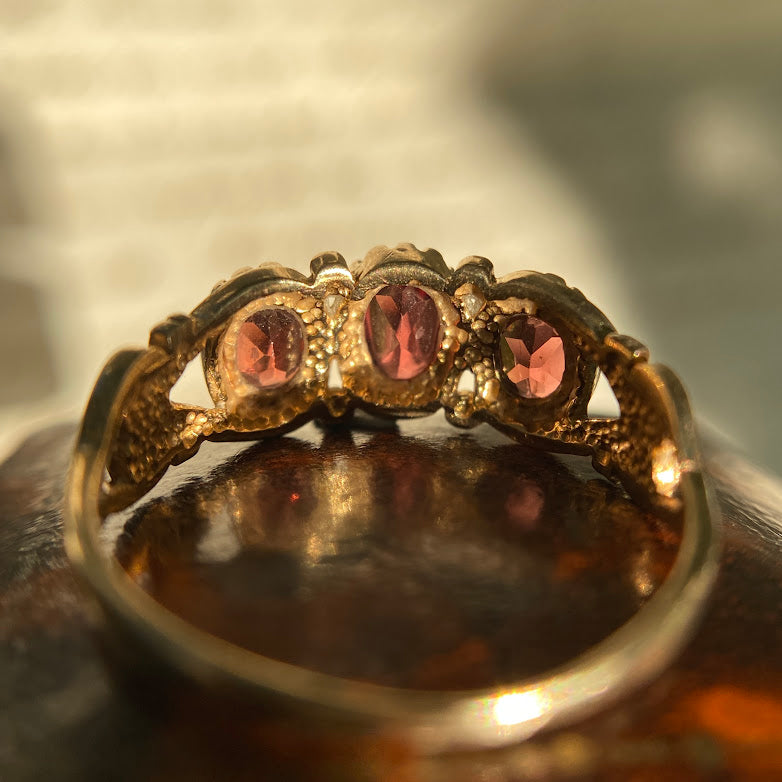
How to judge age, condition and honesty in a piece you can't yet hold — everything to know before your first antique purchase.
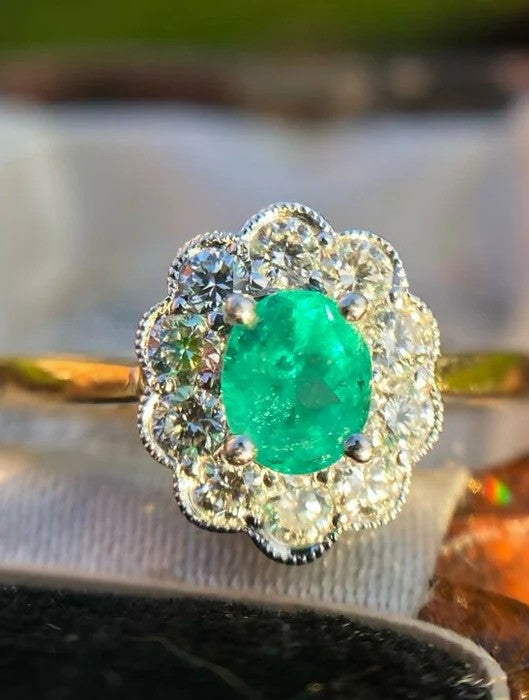
Snakes, stars and sentiment — the three periods of Victoria's reign and how to recognise each.
Excellent
Rated 4.9 out of 5

Verified
Use the exact wording of a real review with the customer's permission.
Verified
Use the exact wording of a real review with the customer's permission.
Verified
Use the exact wording of a real review with the customer's permission.
Verified
Use the exact wording of a real review with the customer's permission.
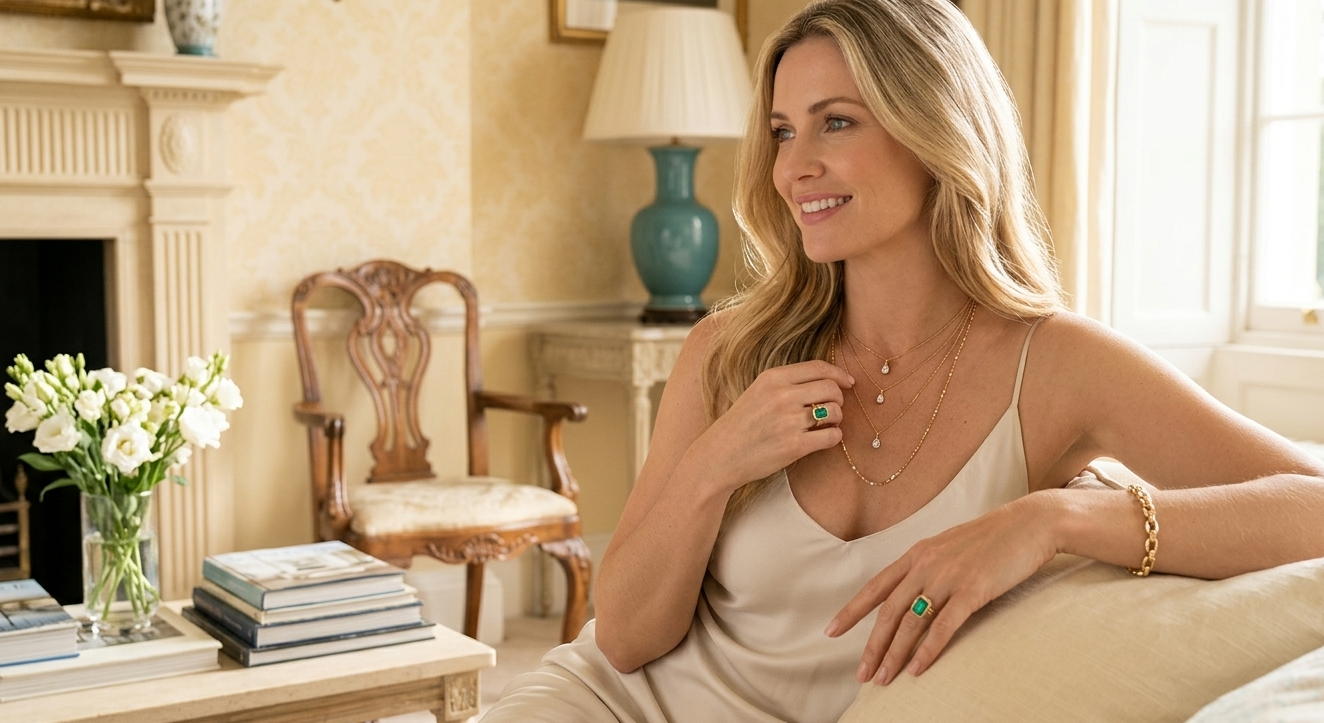
Sign up to be the first to see the latest new pieces before anyone else and get exclusive offers! By signing up, you agree with our privacy policy.
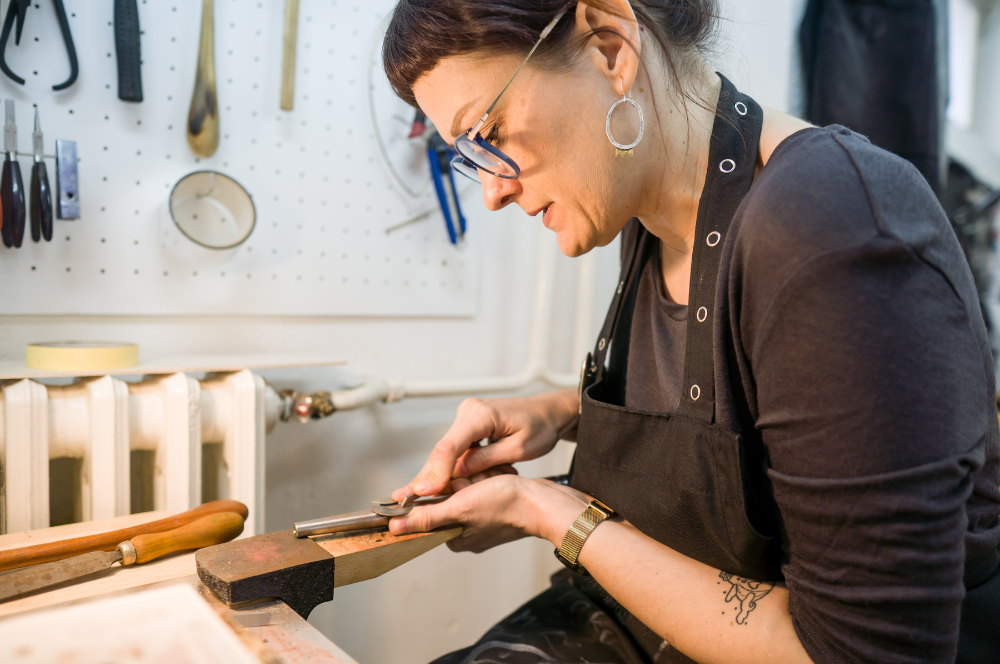
The Story Behind the Stones
Shelley Antiques is a home for antique jewellery lovers everywhere, built on over 18 years of experience in the trade. We aim to educate and inspire the next generation to appreciate the beauty and history behind antique jewellery, championing accessibility, sustainability, and education every step of the way.
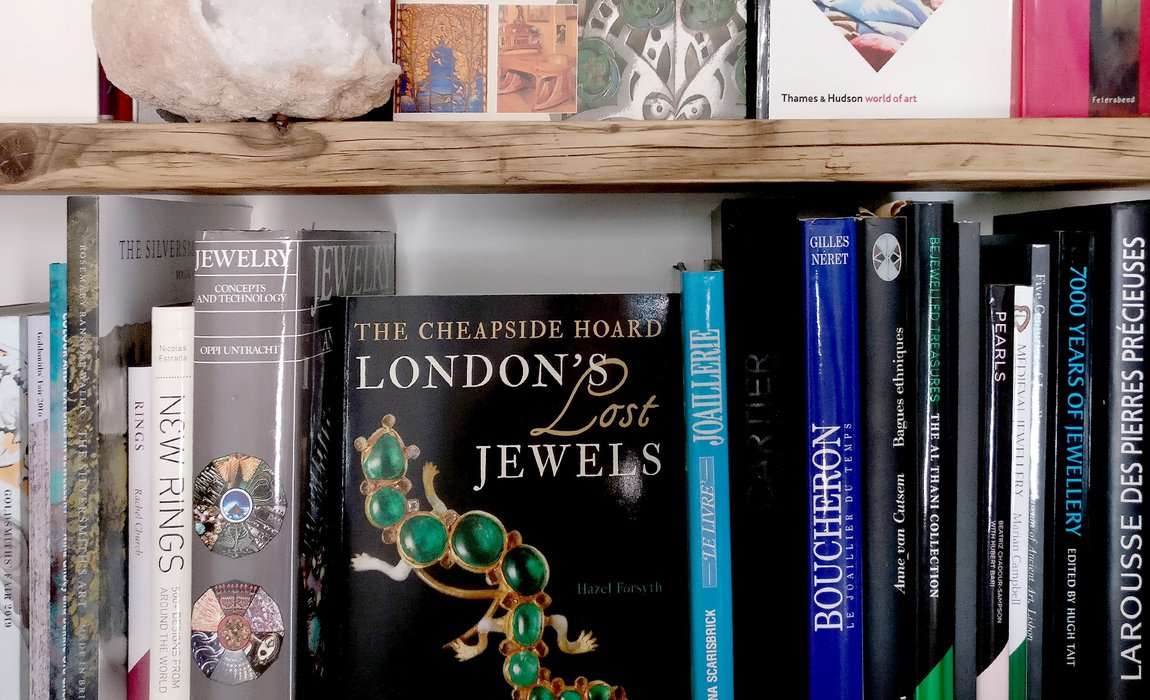
Learn About Antique Jewellery
Antique jewellery holds centuries of stories, craft, and meaning; the more you look, the more there is to discover. That's exactly why we've put together a growing library of articles for you to explore.
Maybe you're drawn to a particular period in history. Maybe you want to understand what makes a certain gemstone so prized, or the science behind its sparkle. Either way, consider this your starting point: Shelley Antiques, where curiosity about antique jewellery turns into real expertise.