 Verified
Beautiful piece, fast delivery
Use the exact wording of a real review with the customer's permission.


Buying a piece of jewellery you cannot yet hold might feel like a leap of faith. It needn't be. Antique jewellery leaves a trail of evidence — in its photographs, its description and its seller — and once you know how to read that evidence, buying online is not only safe but often the best way to find exceptional pieces. Here is everything we would tell a friend before their first purchase.
A trustworthy dealer does most of the hard work for you. Before you fall for a ring, look at how the shop behaves. Does every listing state the era, the materials and the condition — including the flaws? Are sold pieces displayed openly rather than deleted? Is there a clear returns policy, insured delivery and a human being you can ask questions of? A dealer proud of their vetting will answer detailed questions quickly and happily. If answers are vague or slow, walk away, however lovely the piece.
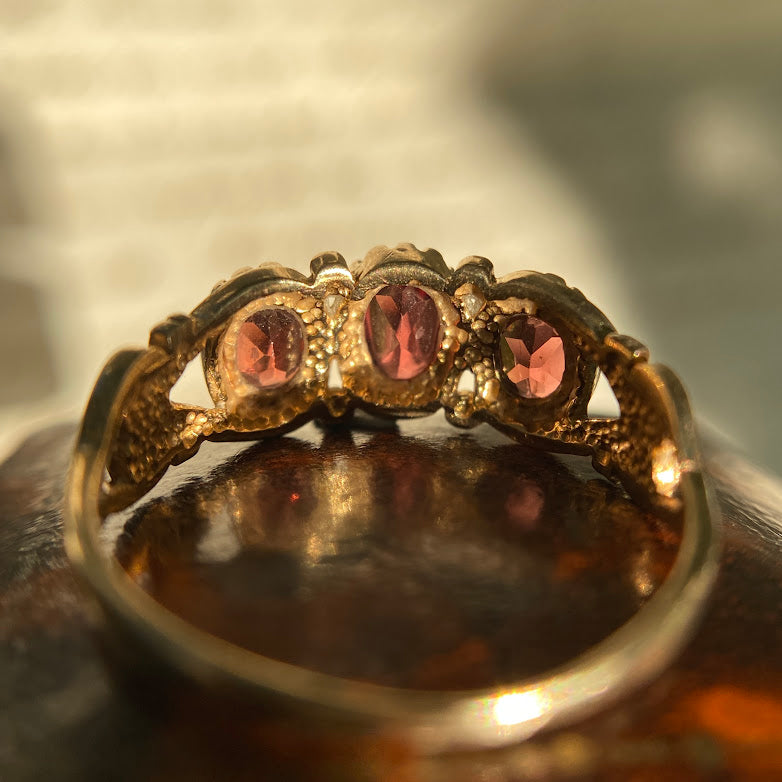
Good macro photography is the online buyer's magnifying glass. Zoom right in and look for:
Each era has a distinct personality — and knowing them helps you spot both bargains and imposters. Georgian pieces (1714–1837) are handmade with closed-back settings; Victorian jewellery (1837–1901) spans romantic snakes and stars to sombre mourning jets; Edwardian work (1901–1915) is featherlight platinum lace; Art Deco (1920–1939) is bold geometry and calibré-cut colour. We've written a full guide to every era if you'd like to go deeper.
Any dealer worth buying from will enjoy answering these. At Shelley Antiques there's an "Ask our team" button on every piece for exactly this reason.
Normal for age: light surface scratches, gently softened engraving, minor foil darkening in Georgian pieces. Red flags: cracked stones, badly worn claws holding a stone you can wiggle, lead solder repairs, and shanks worn paper-thin. The distinction matters — the first group is character; the second group is a repair bill.
Check the stated ring size against your own before ordering, and ask about resizing rather than assuming — some rings (full eternity bands, heavily engraved shanks) shouldn't be altered. Confirm the returns window before you buy, and make sure delivery is insured and tracked with a signature on arrival. Reputable dealers do all of this as standard.
Antique jewellery is one of a kind. Research protects you, but the pieces people treasure most are the ones they couldn't stop thinking about. When knowledge and instinct agree — that's the one. See what's currently in the collection, and if something has already sold, our team can often source something similar.
Excellent
Rated 4.9 out of 5

Verified
Use the exact wording of a real review with the customer's permission.
Verified
Use the exact wording of a real review with the customer's permission.
Verified
Use the exact wording of a real review with the customer's permission.
Verified
Use the exact wording of a real review with the customer's permission.

Sign up to be the first to see the latest new pieces before anyone else and get exclusive offers! By signing up, you agree with our privacy policy.
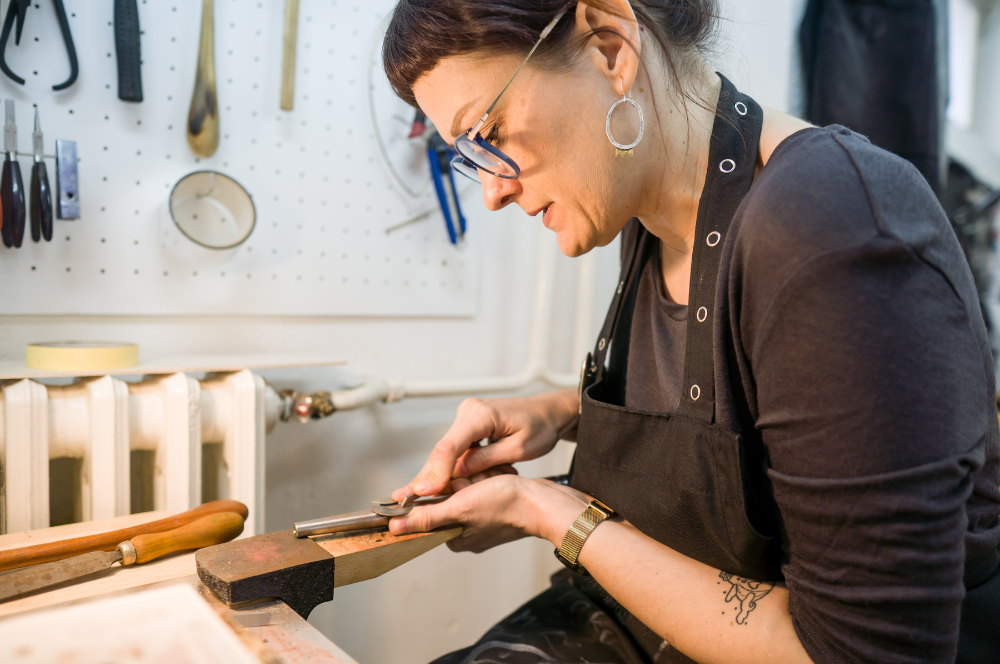
The Story Behind the Stones
Shelley Antiques is a home for antique jewellery lovers everywhere, built on over 18 years of experience in the trade. We aim to educate and inspire the next generation to appreciate the beauty and history behind antique jewellery, championing accessibility, sustainability, and education every step of the way.
Learn About Antique Jewellery
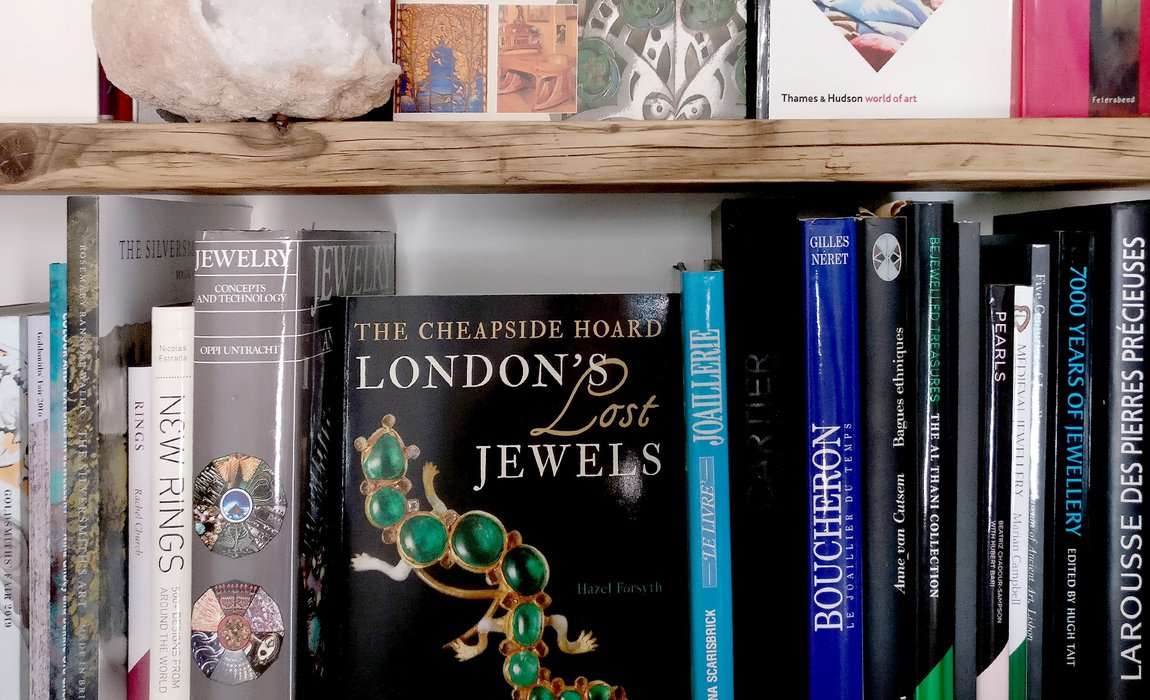
Antique jewellery holds centuries of stories, craft, and meaning; the more you look, the more there is to discover. That's exactly why we've put together a growing library of articles for you to explore.
Maybe you're drawn to a particular period in history. Maybe you want to understand what makes a certain gemstone so prized, or the science behind its sparkle. Either way, consider this your starting point: Shelley Antiques, where curiosity about antique jewellery turns into real expertise.